


VR in Construction Training


In recent years, Virtual Reality (VR) has revolutionized construction training, providing a safe, simulated environment for hands-on learning. This chapter introduces the profound impact of VR in construction training, emphasizing the importance of immersive technology and practical experience.
Immersive technology, especially VR, transforms construction training by offering a secure and realistic virtual environment. It replicates real-world scenarios, enabling trainees to engage with various construction processes and move heavy equipment without the risks of actual construction sites. This approach enhances safety, reduces training accidents, and lowers equipment damage, resulting in significant cost savings.
The significance of hands-on experience in construction training cannot be overstated. The construction industry requires proficiency in various skills, from operating heavy machinery to executing complex structural designs. Traditional training methods often fall short in providing the practical experience needed for effective skill development. VR bridges this serious experience gap by immersing trainees in lifelike settings where they can practice and refine their abilities without compromising safety.
VR’s ability to recreate a realistic construction site and environment ensures that trainees are well-prepared to handle the challenges of real construction projects. They become more skilled at performing tasks, troubleshooting issues, and making critical decisions on actual construction sites.
In the following chapters, we will delve into specific applications, case studies, and the future potential of VR in construction training, shedding light on its transformative impact.
Traditional construction safety training methods have long been the standard in the industry, but they come with inherent inefficiencies that can compromise training effectiveness. This section aims to shed light on these limitations and introduce Virtual Reality technology as a groundbreaking solution capable of addressing these shortcomings and modernizing the construction safety training approach.
Ineffectiveness of Current Training Methods
Many companies in the construction industry are grappling with the realization that their existing safety training protocols are outdated and resource-draining. This section delves into the ineffectiveness of these current training methods, highlighting the need for creating a more efficient and impactful approach.
Outdated Training Tools: A significant challenge with current safety training methods is the persistent use of outdated tools, including PowerPoint presentations, VHS tapes, and DVDs. These tools not only fail to engage trainees effectively but also come with several limitations:
- Limited Interactivity: PowerPoint presentations are static and lack interactivity, making it difficult to engage trainees in the learning process actively. This can lead to reduced retention of safety information.
- Obsolete Media: VHS tapes and DVDs are quickly becoming obsolete in the digital age, and they may not be compatible with modern training environments. Access to these materials can also be cumbersome and costly.
- Lack of Realism: These traditional tools often lack the capability to create realistic, immersive simulations of construction environments, limiting the effectiveness of hands-on training.
- Inflexibility: Adapting or updating content in traditional media can be time-consuming and costly, making it difficult to keep training materials current with industry best practices.
Given these challenges, the construction industry recognizes the pressing need for a more efficient and engaging training approach. VR technology addresses these limitations by providing a modern, dynamic, and interactive platform for safety training.
Prevailing Challenges with Traditional Training
In addition to the limitations mentioned earlier, traditional safety training methods in the construction industry face many pressing challenges, hampering their effectiveness and overall impact. These challenges underscore the urgency of adopting modern training approaches like Virtual Reality.
- Poor Engagement. Conventional training methods often struggle to engage employees effectively. The passive nature of lectures and outdated materials can result in unproductive learning sessions, where trainees are disengaged, diminishing the effectiveness of the training.
- Low Retention. The uninspiring nature of traditional training formats frequently leads to low retention of critical safety information. Trainees may quickly forget crucial details, increasing the likelihood of accidents on the job.
- Underreporting of Incidents. Inadequate training correlates with the underreporting of near misses and unsafe conditions. When employees are not adequately trained, they may not fully recognize potential hazards or understand the importance of reporting them, leading to a culture of silence.
- Rising Costs. Serious workplace accidents resulting from insufficient training contribute to escalating costs, including soaring insurance premiums. Inadequate training can lead to accidents and injuries that are not only tragic but also financially burdensome for employers.
- Hiring and Retention Struggles. Attracting and retaining younger or more diverse talent is increasingly challenging when traditional training approaches are in place. Younger generations, in particular, may be deterred by outdated and uninspiring training methods, affecting workforce diversity and talent retention.
These challenges emphasize the need for a transformation in safety training methodologies. VR emerges as a compelling solution, addressing these issues while providing a more engaging, immersive, and cost-effective training platform.
The Skilled Labor Dilemma
The construction industry faces a dual challenge stemming from traditional training methods, notably the exodus of experienced workers and the lack of enthusiasm among younger generations to join the field. To address these critical issues, there is a growing need for training solutions that resonate with new-age learning preferences and attract new employees from younger demographics.
- Exodus of Experienced Workers. Many seasoned construction professionals are nearing retirement, and their departure leaves a significant skills gap in the industry. These experienced workers possess invaluable knowledge and expertise, which can be challenging to transfer effectively through conventional training methods.
- Lack of Enthusiasm Among Younger Generations. The construction industry struggles to attract younger talent, partly due to outdated training approaches. The younger workforce often seeks more modern, engaging, and tech-savvy learning experiences that align with their preferences.
- Addressing the Skilled Labor Gap. To combat the shortage of skilled workers and ensure the industry’s vitality, construction companies need to embrace innovative training solutions that cater to the learning preferences of younger generations. This is where Virtual Reality technology shines.
VR training resonates with tech-savvy individuals, offering immersive, interactive, and engaging learning experiences. It aligns with the expectations of younger workers who are accustomed to digital environments. By providing a modern, dynamic, and hands-on approach to safety training, VR can not only bridge the skills gap but also revitalize the construction industry’s workforce.
VR Training as the Modern Solution
In response to the challenges posed by traditional safety training methods, VR emerges as a modern solution that addresses these limitations while aligning with OSHA’s safety requirements. VR offers immersive simulations that prove dynamic and effective for training in both safety and hard skills, providing a comprehensive and engaging solution.
- Immersive Simulations: VR technology enables the creation of immersive, lifelike simulations of construction environments. These simulations can replicate real-world scenarios, allowing trainees to interact with various equipment and processes, fostering practical experience that aligns with OSHA’s safety requirements.
- Enhanced Engagement: One of the key advantages of VR is its ability to enhance engagement. Trainees are actively involved in the learning process, leading to more profound understanding and retention of safety information.
- Improved Knowledge Retention: VR’s interactive nature and hands-on approach contribute to improved knowledge retention. Trainees are more likely to remember safety procedures and best practices when they’ve actively participated in the learning process.
- Competency Assessments: VR allows for thorough competency assessments, ensuring that trainees are genuinely prepared to work safely in construction environments. The technology can track and evaluate a trainee’s performance in real-time, offering immediate feedback.
- Technologically Inclined Workforce: With a workforce increasingly composed of tech-savvy individuals, VR training appeals to the preferences of modern workers. It offers a familiar and engaging learning environment that aligns with the expectations of younger generations.
Incorporating VR training into construction safety and skills development not only addresses the shortcomings of traditional methods but also elevates the training program to a level of excellence. It meets OSHA’s requirements, improves engagement, enhances knowledge retention, provides reliable competency assessments, and resonates with a technologically inclined workforce.
Benefits of Using VR in Construction Training
The CITB recognizes the vital role of immersive technology in modernizing the construction industry. Virtual Reality training offers distinct advantages:
- Enhanced Safety: VR provides a safe environment for hands-on practice, reducing accident risks.
- Competency Building: Trainees develop skills confidently, ensuring job readiness.
- Cost-Effective: VR minimizes training costs associated with accidents and equipment damage.
- Flexibility: VR enables self-paced learning, reducing logistical challenges.
- Engagement and Retention: Immersive VR enhances engagement and knowledge retention.
- CITB’s Emphasis on Modernization: The CITB endorses immersive tech to meet evolving industry needs.
By adopting VR, the construction industry secures its future, creates a safer, more competent workforce, and aligns with modernization.
Enhancing Safety with Virtual Reality
VR plays a pivotal role in revolutionizing safety training in the construction industry. By replicating work environments and tasks without real-world risks, VR training offers invaluable opportunities for risk-free mistake-making and skill refinement.
VR technology creates immersive simulations of construction sites, enabling trainees to experience real-world scenarios. This mimics the environment they will encounter on actual job sites, enhancing the effectiveness of safety training.
In VR, trainees can make mistakes without real-world consequences. They have the freedom to explore, learn from errors, and refine their skills in a safe, virtual environment. This hands-on experience is crucial for building competence while minimizing on-site risks.
The effectiveness of VR in safety training is underscored by real-world results. For instance, the introduction of VR safety training in mining led to a remarkable 43% decrease in lost time due to injuries, as reported at the Minesafe International Conference. This statistic demonstrates the substantial impact VR can have on reducing accidents and improving safety in high-risk industries.
The integration of VR into safety training programs is a game-changer for the construction industry. It not only replicates real work environments and tasks but also provides a risk-free platform for trainees to learn, make mistakes, and hone their skills. The substantial decrease in injuries in other industries using VR highlights its potential to enhance safety in construction.
Building and Testing Competencies
Virtual Reality training is an indispensable tool for creating, building and testing competencies in the construction industry. Backed by the effectiveness of experiential learning, where 70% of learning is experiential, VR offers a transformative approach to skill acquisition and assessment.
VR leverages experiential learning by providing trainees with immersive, hands-on experiences. This aligns with the well-established notion that 70% of learning is experiential. By actively engaging trainees, VR fosters a deeper understanding and retention of skills and safety procedures.
A study from Iowa State University revealed the remarkable potential of VR in skills training. In this study, 100% of welding students who used VR outperformed their peers who underwent traditional training methods. This statistic underscores the effectiveness of VR in skill acquisition.
VR training offers several advantages for skill development. The ability to practice tasks repeatedly in a safe environment, the immersive nature of simulations, and immediate feedback contribute to better skill acquisition and retention. Trainees have the opportunity to refine their abilities and build confidence, ensuring competence on the job.
VR scenarios provide capabilities for assessment and performance monitoring. Instructors can track trainee progress in real-time, evaluating their competence and identifying areas that require improvement. This feature ensures that trainees are thoroughly prepared for real-world construction challenges.
VR training not only builds competencies effectively but also offers a means for continuous assessment and improvement. With its basis in experiential learning and proven outperformance in various studies, VR has become a valuable asset in the construction industry.
Reducing Training Time and Costs
VR training not only offers benefits in terms of skills development and safety but also has a substantial impact on reducing training time and costs in the construction industry. As evidenced by a report from Capgemini, where 82% of companies reported benefits of Augmented Reality (AR) and VR exceeding expectations, VR training has emerged as a powerful tool for financial savings and improved productivity.
VR training contributes to substantial financial savings. This includes reduced expenses related to travel for training, as it can be conducted remotely, minimizing the time away from work. VR also enhances hazard recognition and results in fewer injuries, leading to decreased medical and insurance costs. Moreover, the reduced risk of OSHA compliance issues can save construction companies from potential fines and penalties.
By filling the skilled labor gap with more competent workers, VR training leads to increased productivity. Competent workers are more efficient and make fewer mistakes, resulting in higher revenue for construction companies. This additional revenue more than justifies the investment in VR training.
VR training is highly scalable, enabling construction companies to train a large workforce efficiently. The flexibility of VR means it can be integrated into regular work schedules with minimal disruption. Trainees can access modules at their convenience, allowing for self-paced learning without compromising project timelines.
By adopting VR training, construction companies not only reduce training time and costs but also bolster their workforce’s competence, safety, health and overall productivity.
Application of VR across Various Construction Roles
Diversity of Roles Benefiting from VR
Various roles in various trades in the construction industry are reaping the advantages of VR the training program, including electricians, crane operators, plumbers, civil engineers, and more.
- VR training provides electricians with a realistic platform to practice wiring, electrical systems, and safety protocols in a controlled, risk-free environment.
- Crane operators can fine-tune their skills in VR simulations, honing their abilities to operate heavy machinery safely and efficiently.
- VR offers plumbers the opportunity to master pipe installation, repair, and troubleshooting, improving their competence on the job.
- Civil engineers benefit from VR by simulating complex construction projects, allowing them to assess designs, troubleshoot issues, and enhance their project management skills.
- VR provides safety personnel with scenarios to practice emergency response, hazard recognition, and risk mitigation, ensuring they are well-prepared to safeguard construction sites.
The diversity of roles that benefit from VR training highlights its versatility in addressing the specific training needs of various professionals within the construction industry.
Incorporation of OSHA Standard Safety Training
Virtual Reality training in construction seamlessly incorporates critical safety protocols, aligning with the stringent standards set by the Occupational Safety and Health Administration (OSHA). It covers essential safety procedures, including Fall Protection, Lockout/Tagout, and Electrical Hazards, ensuring that construction workers are well-prepared to comply with OSHA regulations.
VR training offers realistic scenarios for fall protection, allowing trainees to practice harness use, fall arrest systems, and safety measures when working at heights. This aligns with OSHA’s stringent regulations for fall protection in the construction industry.
VR simulations replicate lockout/tagout procedures, ensuring that trainees understand how to isolate energy sources, preventing accidental equipment startup. This training is critical for OSHA compliance, which mandates strict control of hazardous energy.
VR enables trainees to engage with electrical systems and hazards in a safe environment, ensuring they comprehend OSHA requirements for electrical safety in construction.
Hard Skills Development Through VR
Beyond safety protocols specific equipment, VR plays a pivotal role in imparting hard skills essential for various construction roles. VR offers nuanced, practical training in areas such as Construction Housekeeping, Trenching and Excavation, and Scaffolding, ensuring that construction workers are well-prepared for the demands of their roles.
VR simulations provide hands-on training for construction housekeeping, teaching workers to maintain a clean and organized work environment. Trainees practice proper storage of materials and equipment, waste disposal, and overall site cleanliness in a safe, virtual setting.
VR facilitates comprehensive training in trenching and excavation, teaching workers the necessary skills to create safe and secure trenches, including shoring, sloping, and shielding techniques. This practical training helps prevent accidents and injuries on construction sites.
VR enables trainees to practice scaffold construction, inspection, and safe use. It offers a dynamic platform for understanding weight limits, fall protection, and proper assembly and disassembly of scaffolding, ensuring workers can perform these tasks competently and safely.
By incorporating hard skills development through VR, construction training programs go beyond theory, providing practical, hands-on experience that prepares workers for real-world challenges.
Real-World Case Studies
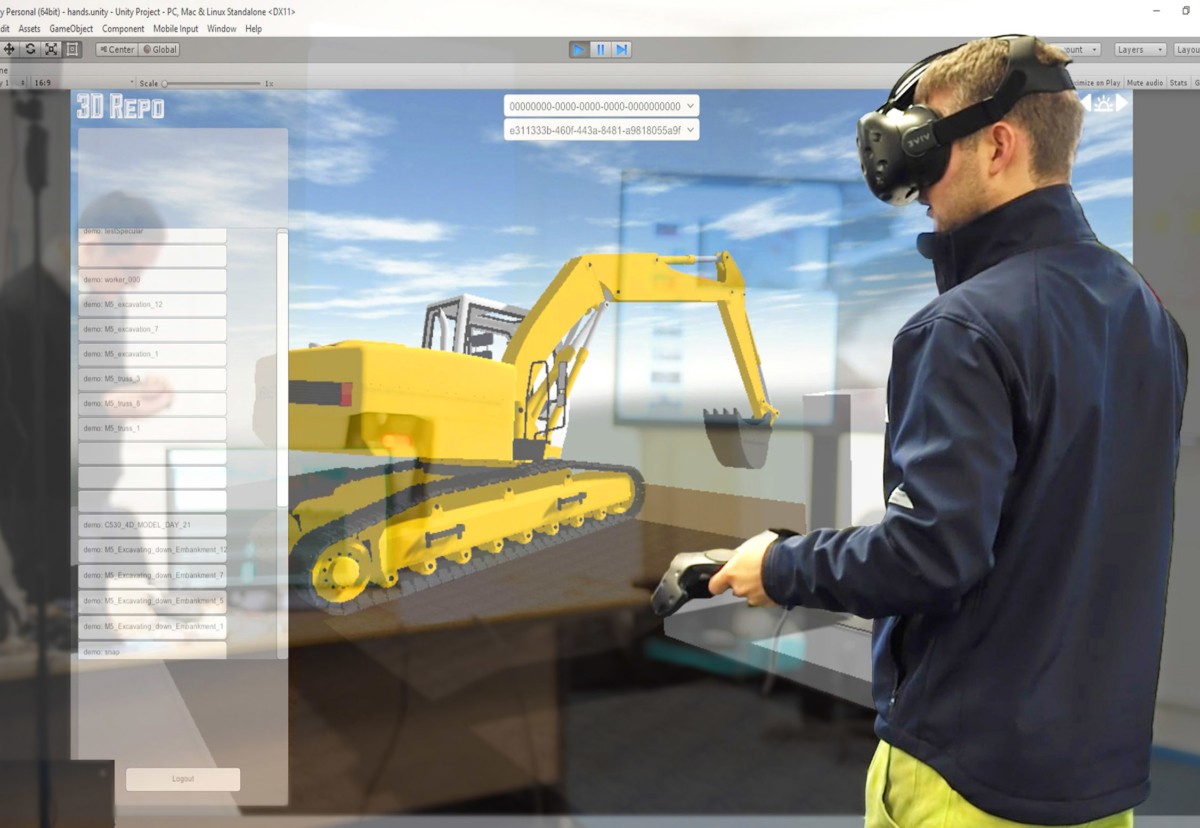
Real-world case studies vividly illustrate the transformative impact of Virtual Reality in construction training. Balfour Beatty’s Smart Motorways project team serves as an exemplary instance, showcasing how VR is applied to enhance safety, competence, and efficiency in construction.
Balfour Beatty, a prominent construction and engineering firm, implemented VR training in their Smart Motorways project. This initiative involved the conversion of traditional highways into smart, managed motorways to improve traffic flow and road safety. The deployment of VR enabled Balfour Beatty to provide hands-on, immersive virtual reality safety training for workers tasked with complex activities like traffic management, road signage installation, and emergency procedures.
The results were remarkable. VR training not only enhanced safety and competence on job site, but also streamlined project timelines. Workers who had undergone VR training exhibited a significant reduction in errors, improved productivity, and a thorough understanding of safety protocols.
Balfour Beatty’s Smart Motorways project is a testament to the tangible benefits of VR in construction training, underscoring its potential to revolutionize the industry and elevate the standards of safety and performance.
The Future of Construction Training
The future of construction training is undeniably intertwined with the adoption of VR. Predictions suggest that VR will play an increasingly pivotal role in upcoming various construction skills training initiatives, fundamentally transforming the way the industry approaches training and skills development.
VR offers practical solutions that cater to the essential skill needs of the sector, spanning from safety protocols to technical proficiency. Its immersive virtual reality simulations provide a risk-free environment for trainees to practice real-world scenarios, improving hazard recognition, safety compliance, and skill acquisition. Moreover, it allows workers to develop hard skills necessary for various construction roles, such as scaffolding, trenching, and construction housekeeping, in a safe and controlled virtual setting.
As we stand at the threshold of a new era in construction training, the integration of VR is not just a technological leap but a strategic advantage. Those who embrace this transformation early will lead the industry in safety, efficiency, and competence.
Take the proactive step today and email hello@wear-studio.com for further guidance on embracing VR in your construction training paradigms. Gain a competitive advantage and be at the forefront of industry foresight. Don’t wait; the future of construction training is here, and it’s in VR.
